
How Expert Roofing Services Handle Repairs Without Pushing Full Replacements?
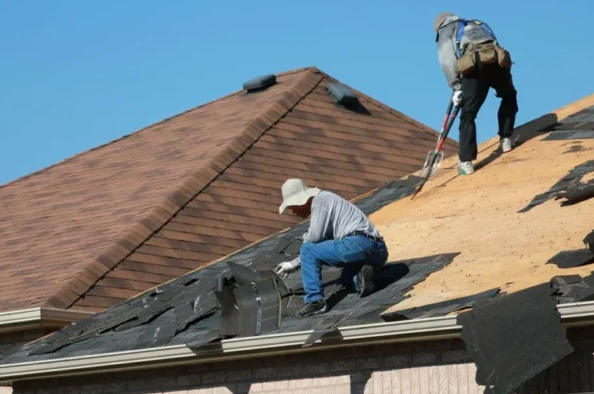
Homeowners panic fast when a roof acts up. One brown ceiling mark, and suddenly every contractor “recommends” a full replacement. That fear costs people money. The truth is simpler: most roofs fail in very specific places, not all at once. In the middle of these decisions, expert roofing services separates cosmetic damage from structural failure, and that difference changes everything.
Roofs Don’t Fail Evenly (And That Matters More Than Age)
A 15-year-old roof can outperform a 10-year-old one. Why? Because roofs wear unevenly.
South-facing slopes bake all day. Valleys trap debris. Flashing takes abuse long before shingles do. Smart roofers don’t ask, “How old is this roof?” They ask, “Where is it actually breaking down?”
Leak Location Tells the Real Story, Not the Drip Spot
Here’s what most homeowners miss: Water rarely enters where it shows up.
A ceiling stain might sit ten feet away from the real problem. Experienced roofers follow nail lines, decking seams, and flashing channels backward, almost like reading footprints.
The Sales Trick: Replacing What’s Easy, Not What’s Failing
Let’s be blunt. Full replacements are easier to sell.
One quote. One scope. One big invoice.
Repairs take time, diagnosis, and skill. You can’t rush them. Contractors who lead with replacement often do so because repairs expose whether they actually understand roof systems.
Good roofers fix complexity. Lazy ones remove it.
Shingles Are Rarely the Real Problem
Loose shingles look dramatic. They flap, curl, and scare homeowners. But shingles usually fail because something underneath already did.
- Weak fastening patterns
• Deteriorated underlayment
• Improper starter rows
Replacing shingles without correcting the cause is just cosmetic surgery. Skilled crews fix the system, not the symptom.
Flashing Failures Create “Invisible” Damage
Flashing is boring. That’s why it fails.
Most leaks start where roof planes meet walls, chimneys, or vents. Metal expands, sealant dries, nails loosen. None of this shows from the ground.
Repair-focused contractors spend more time on flashing than shingles—because that’s where roofs quietly lose.
Gutters Can Make a Good Roof Look Bad
Overflowing gutters push water sideways, not down. That water crawls under shingles, rots fascia, and creates leaks that mimic roof failure.
Replacing a roof without fixing the drainage is like repainting a wall while the pipe still leaks behind it.
Real inspections always include water flow, not just roof surfaces.
Why Repair-First Contractors Explain More Than They Sell?
If a roofer can’t clearly explain why a repair works, they shouldn’t be touching the roof.
Good contractors:
- Show photos
• Mark damage zones
• Explain what happens if it’s ignored
This transparency protects budgets and filters out fear-based decisions.
Why Home Roofing Services Save More Than Money?
The home roofing services focus on containment, not overreach. They isolate failures, reinforce weak zones, and extend roof life instead of resetting the clock unnecessarily.
That approach saves:
- Cash
• Time
• Stress
• Future tear-offs
Most importantly, it preserves trust.
Weather Damage Isn’t a Verdict, It’s a Diagnosis
Hail doesn’t always destroy roofs. Wind doesn’t always compromise structure.
Storm damage becomes expensive only when no one checks how far it actually went. Repairs often restore full performance when addressed early and correctly.
Final Remarks: Repairs Require Skill, Replacements Require Confidence
Anyone can recommend a replacement. It takes experience to say, “You don’t need one.” In the middle of ethical roofing decisions, expert roofing services stand out by diagnosing before demolishing and fixing before selling.
For homeowners who want honesty over hype, Big League Roofing LLC approaches roofing the way it should be handled: problem first, solution second, invoice last.
Frequently Asked Questions
(1) How do roofers decide whether a repair is enough instead of a full replacement?
They trace failure points, inspect decking and flashing, and judge whether damage is isolated or spreading.
(2) Why do roof leaks often appear far from the actual damage?
Water travels along seams, nails, and decking before dropping, misleading homeowners about entry points.
(3) Are loose shingles always a sign the roof is failing?
No. Loose shingles often signal underlying fastening or underlayment problems, not total roof failure.
(4) Why do some contractors push replacements instead of repairs?
Replacements are faster, easier to price, and hide diagnostic skill gaps that repairs expose.
(5) How can gutters cause roof problems even when shingles look fine?
Poor drainage forces water sideways under shingles, accelerating rot and creating false roof-failure symptoms.